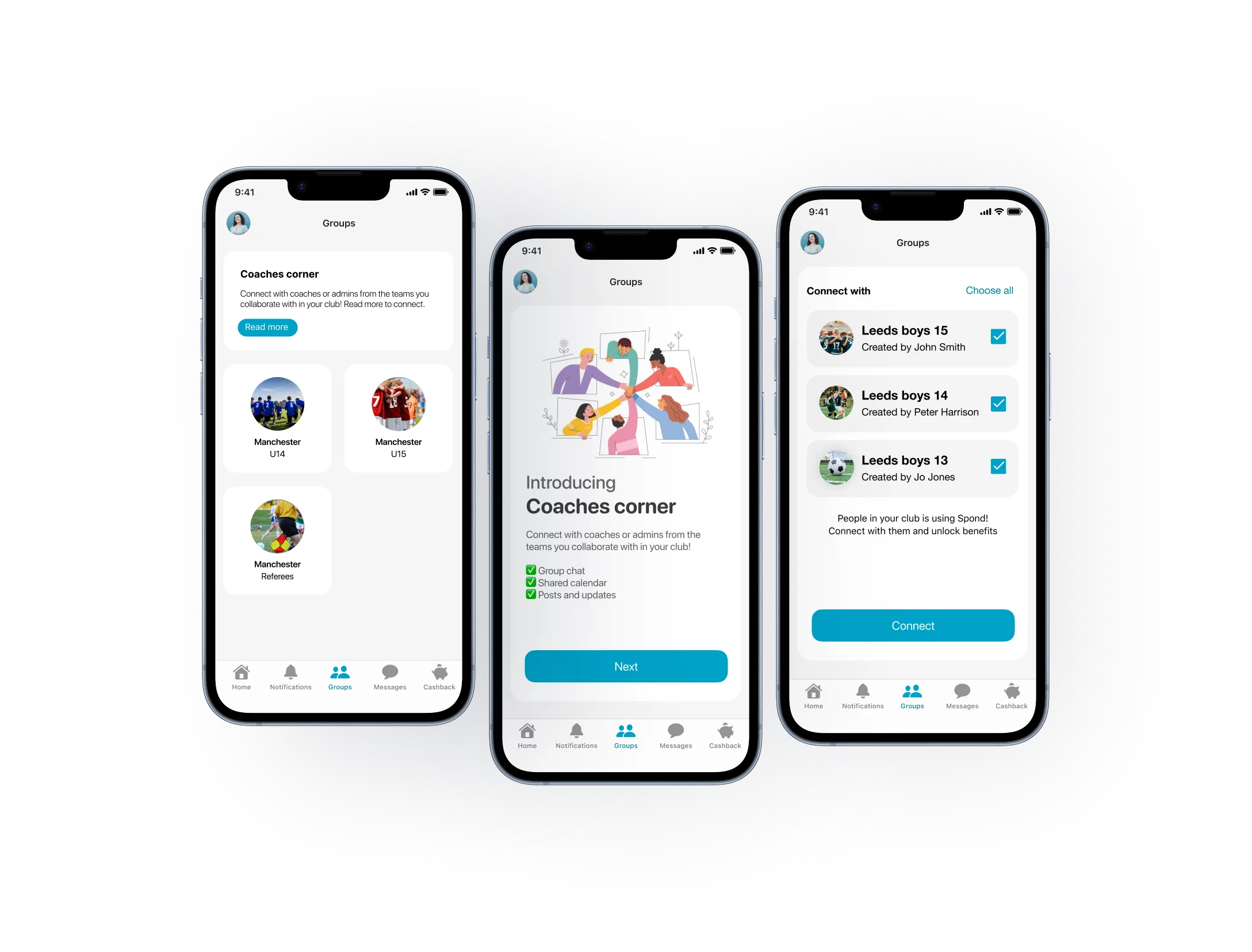
Three phones showing Coaches Corner in the Spond app

Spond

How do we grow adoption in clubs?

Concept development at club level

Role
Product designer
Product type
Organisation / Sports
Department
App
Period
2025
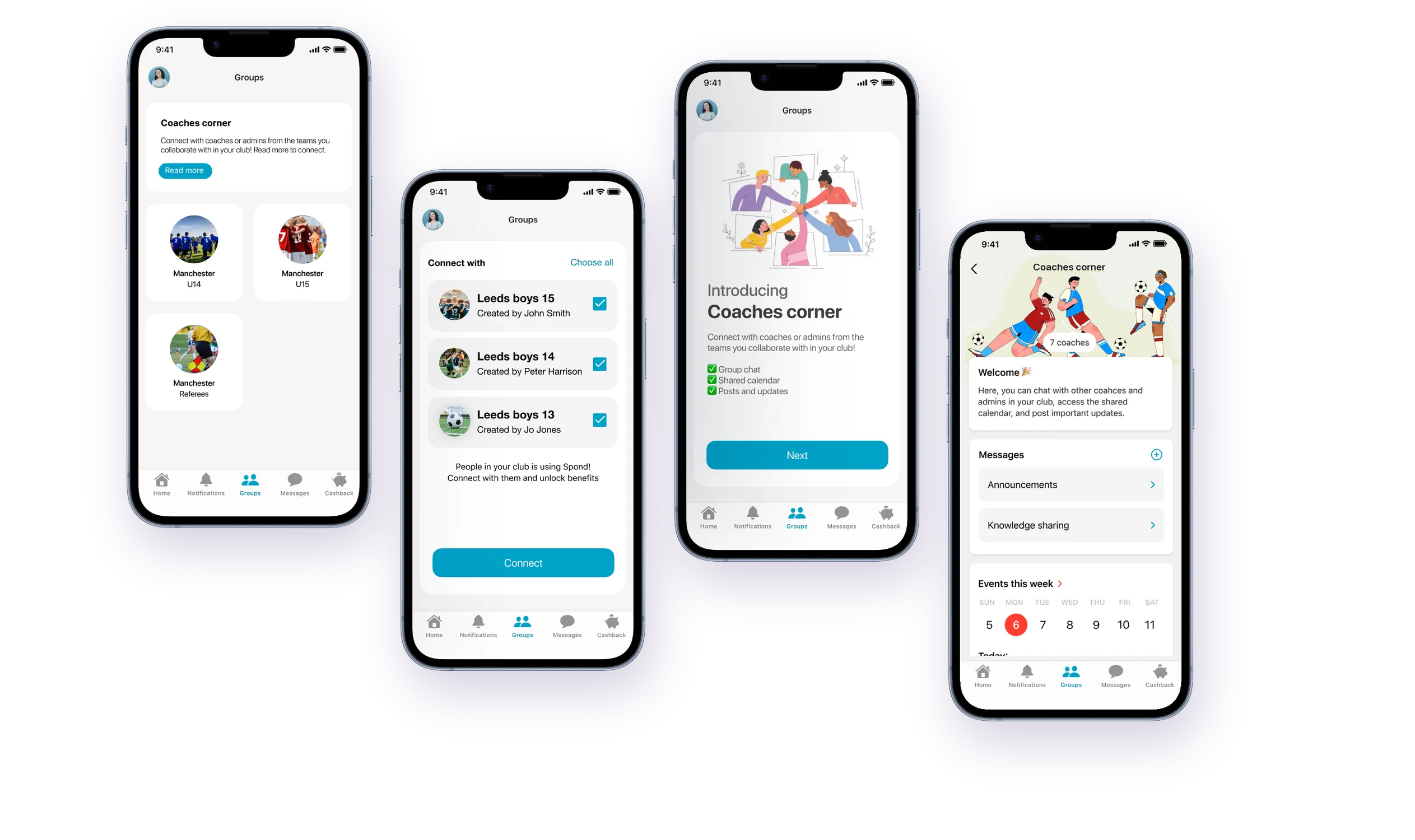
Four phones showing the groups page, Connect with, the Coaches Corner introduction and Coaches Corner
See the whole caseHide the whole caseInterviews, design sprint, user tests and the final solution

Background

About Spond

Spond is a Norwegian-made app that makes it easy to organise sports teams, associations and other groups. It is used by coaches, team managers, parents and players to coordinate activities, share information and collect payments. With several hundred thousand users in Norway and internationally, Spond is a key player in the digital organisation of teams and volunteering.

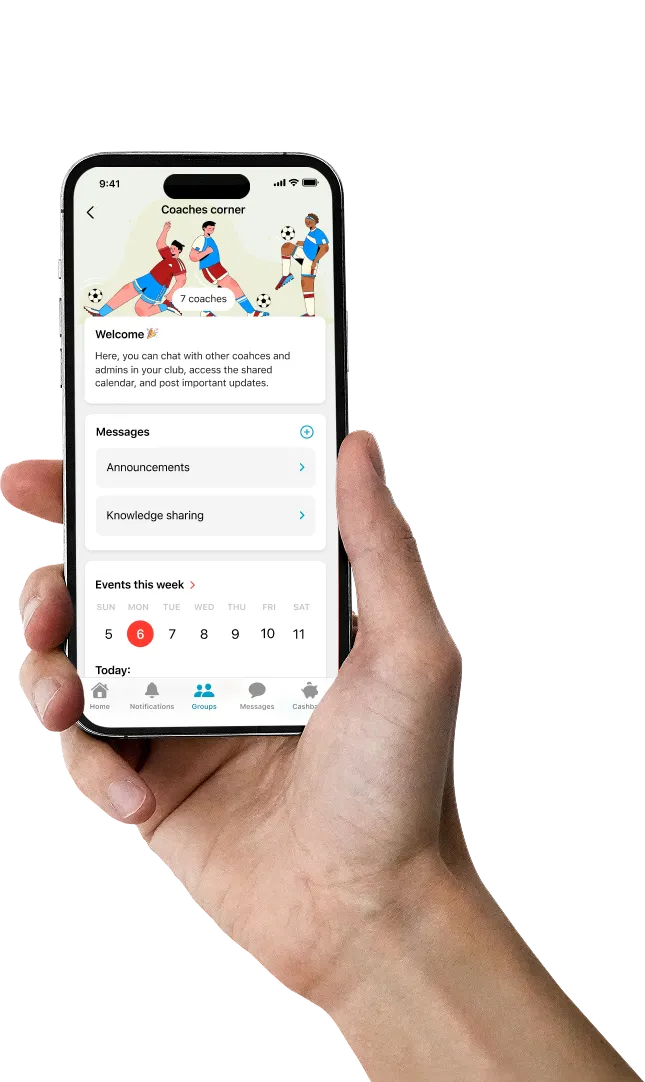
A hand holding a phone showing the Spond app

Process

My design process

  • User interviews

    I led 12 semi-structured interviews with team managers and group administrators.

  • Design sprint with user testing

    I facilitated a sprint where we developed concepts and tested them directly with users, to validate which solutions offered the most value.

  • Close collaboration with developers

    As the only designer, I worked closely with developers and the product manager to make sure the solutions were technically feasible.

  • Continuous testing

    We tested and iterated on the concepts several times, which gave clear signals about the way forward.

Sketches and sticky notes on a whiteboard

Insight

User interviews

We interviewed 12 team managers and group administrators to understand how they communicate, collaborate and coordinate today, and what stops them from adopting Spond at club level.

  • Cluttered communication

    Administrators told us that much of the club’s communication happened on WhatsApp, which created long, hard-to-follow threads. Important information was easily lost, it was hard to see who had read or replied, and many experienced low engagement. Tasks like “who has the equipment?” or “who does what?” often became unclear.

  • Fragmented collaboration

    The clubs lacked a shared place for knowledge, documents and photos. When players belonged to several teams, it was hard to keep track of who was available when, and coaches had to spend a lot of extra time coordinating with each other. As a result, responsibilities and information often fell through the cracks, and a lot of work was duplicated.

  • Planning and coordination

    Coordinating matches and training sessions was a major challenge. Administrators had no overview of when pitches were free, which led to clashes and a lot of manual work. This made planning unnecessarily time-consuming and frustrated both coaches and team managers.

Workshop

Design sprint

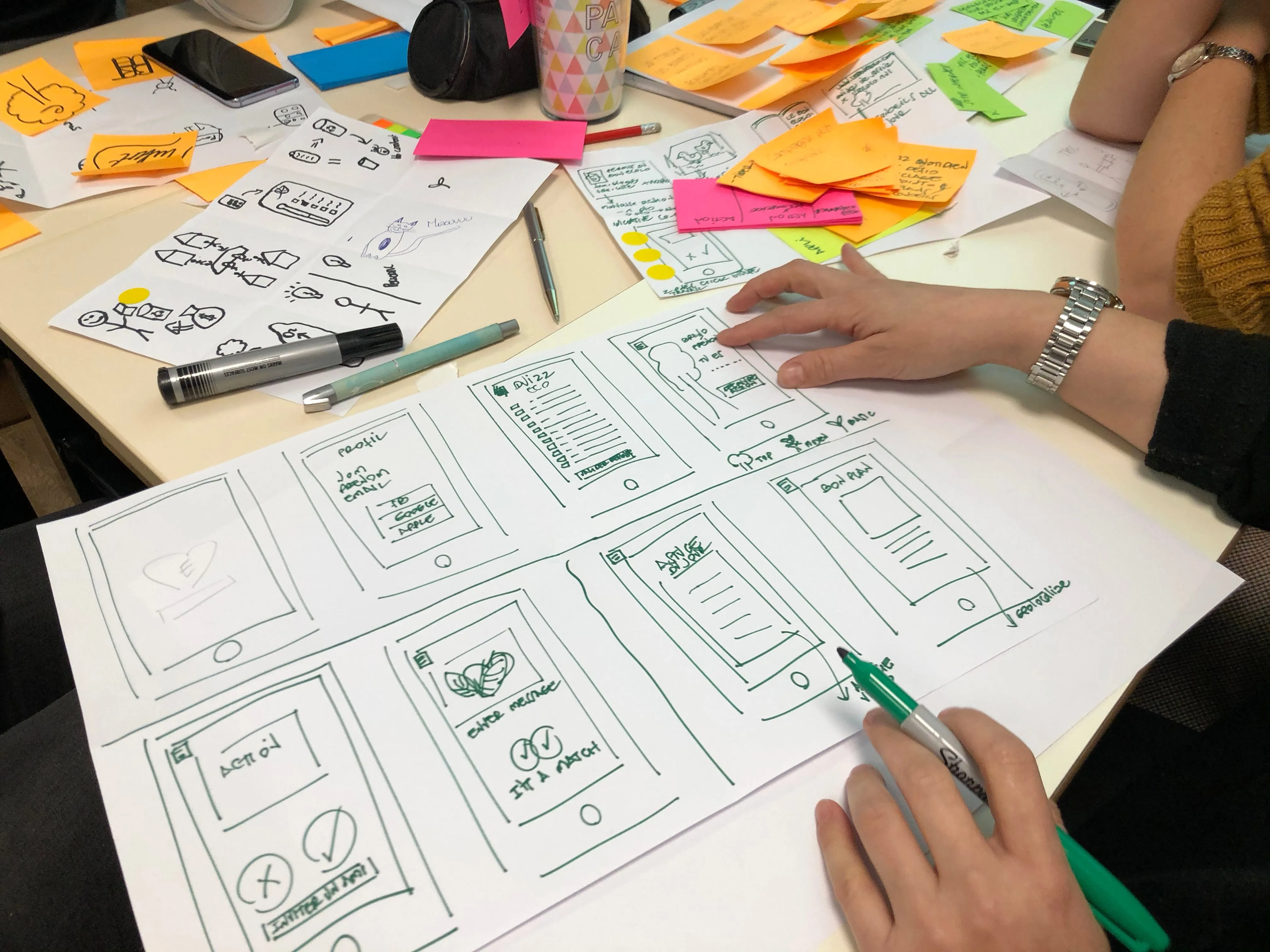
We took these insights into a design sprint, which I facilitated, to explore how we could solve these challenges. In the sprint, we worked across disciplines to:

  • define the problems uncovered in the interviews
  • gather and develop ideas for solutions
  • build and test prototypes with users

The goal was to find out which concepts could actually add value for administrators and drive wider adoption of Spond in the clubs.

Collaboration during the design sprint

Concepts

The concepts we took forward

  • Coaches Corner

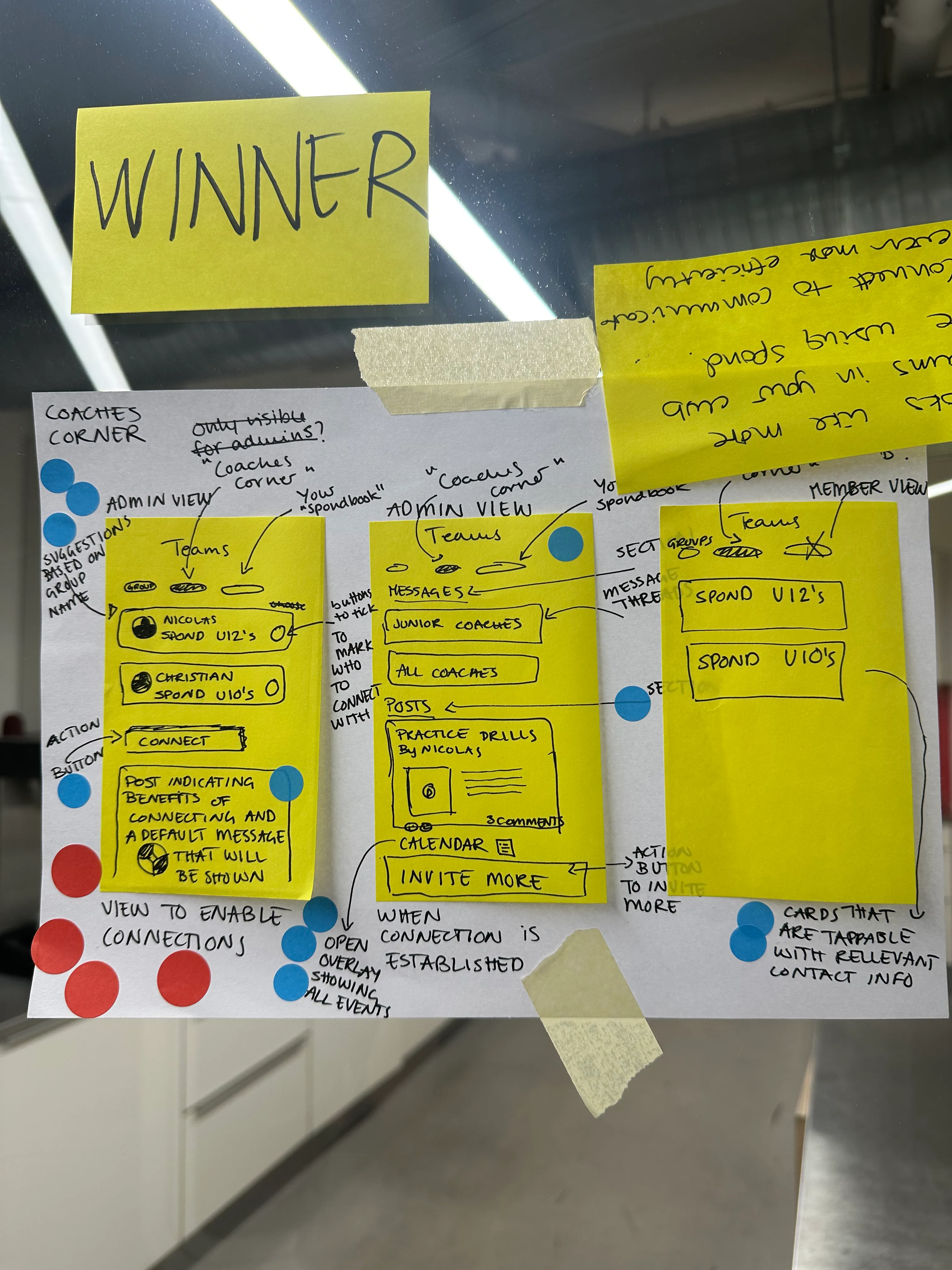
    A concept for bringing the club’s communication and collaboration together in one place. The goal was to make it easier to share information, files and knowledge across teams – and to stop important messages from getting lost in WhatsApp threads.

  • Spond Space

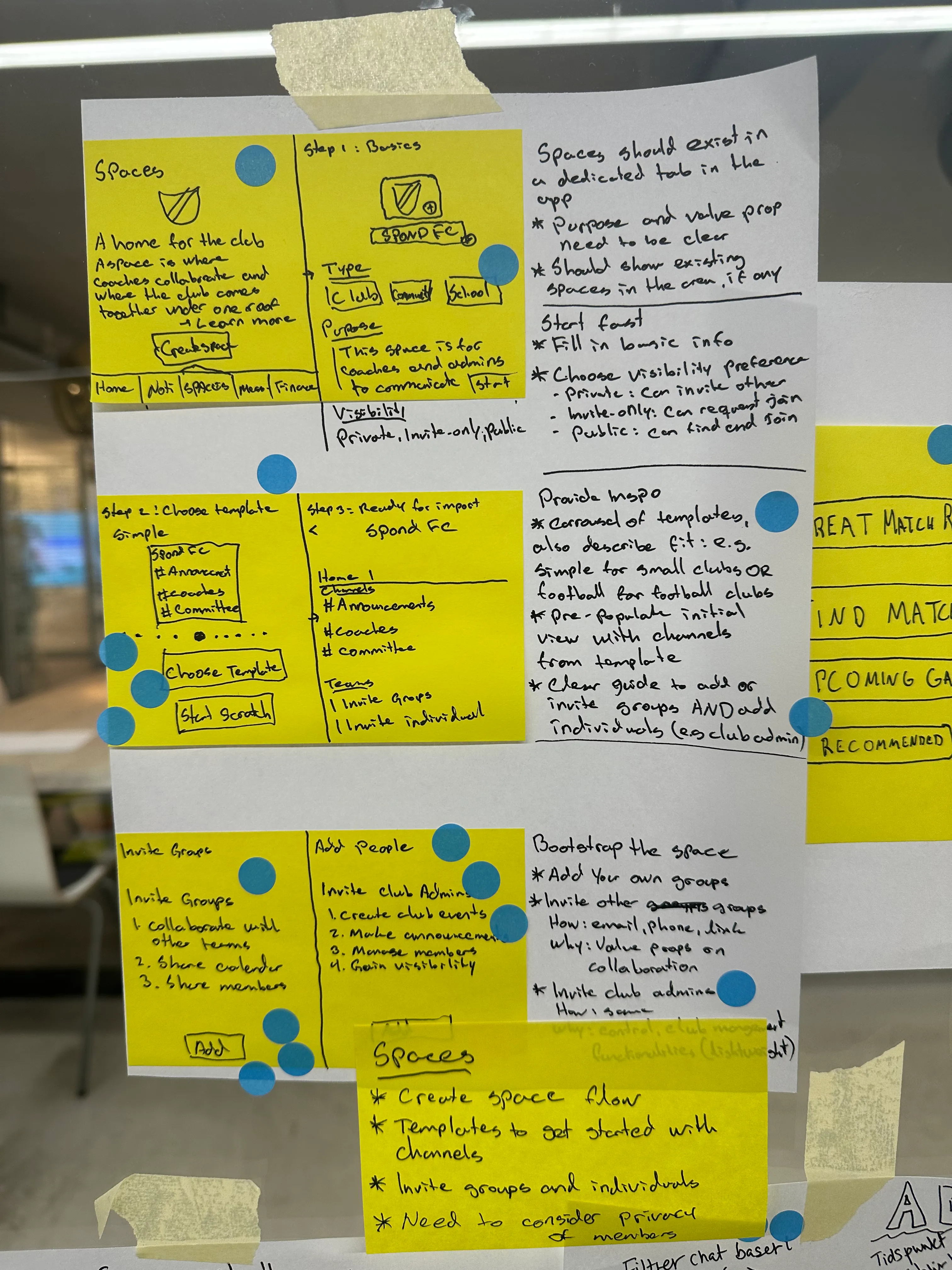
    A concept based on the club’s overall need for communication and information sharing. Space would be a shared room where all the club’s teams were connected automatically, as long as they were part of the club. The goal was to replace fragmented communication on WhatsApp and give the club a more structured meeting point.

The Coaches Corner concept sketched on a whiteboard with sticky notes
The Spond Space concept sketched on a whiteboard with sticky notes

Testing

User testing

We ran user tests with the two concepts to decide which one to take forward. The main difference was how you “start” the feature and bring the club together, while the features themselves were largely the same. To get more concrete results, we asked participants to rate each feature, which gave us a clear picture of which parts created the most value.

Results

Findings

  • Coaches Corner

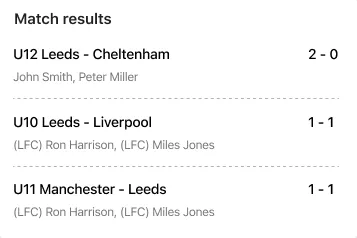
    Users understood the concept intuitively and found it useful for coordinating matches, results and tasks. They felt the value would be high if everyone involved used it, but low if only some did. The match results feature was rated as especially valuable when it updates automatically.

  • Spond Spaces

    Several participants found the concept unclear and a bit convoluted, but they also saw a clear need for a shared place for information, files and rules. The posts feature, where one message can reach several groups, was highlighted as a big advantage. Users saw it as a possible replacement for WhatsApp, which today creates long, hard-to-follow threads.

  • General findings

    A calendar showing player availability was considered critical. Users wanted to connect with relevant people and teams rather than the whole club, and saw that Spond could add value if the solution felt more structured and focused than today’s use of WhatsApp and meetings.

  • Feature ratings

    Calendar, posts and group chat stood out as the most valuable features, while features like coaches chat and chat channels were rated as less useful.

Feature ratings (user test, 8 participants)
  • Very valuable
  • Valuable
  • Not valuable
  1. Club posts7
  2. Shared club calendar6
  3. Group chat6
  4. Club event details5
  5. Club match results3
  6. Chat channels2
  7. Coaches chat1
Show as table
FeatureVery valuableValuableNot valuable
Club posts710
Shared club calendar620
Group chat620
Club event details530
Club match results341
Chat channels251
Coaches chat125

Solution

Coaches Corner

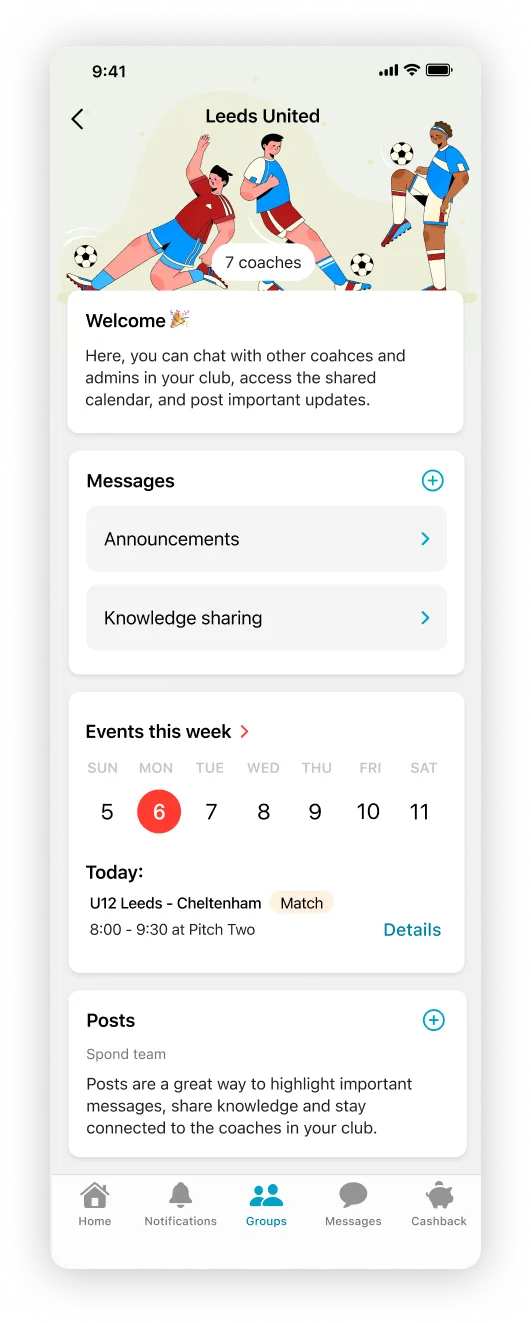
Based on the findings from the user tests, we developed Coaches Corner further as a tool for coaches and team managers. The first version focused on the most valuable features: posts for sharing messages across teams, group chat for collaboration within the club, and a shared club calendar to keep track of home matches. For a future version, we also planned to add player availability and match result registration, as these were rated as useful in the tests.

Onboarding to the feature

Onboarding starts with an information box at the top of the group page, visible to all administrators. The next step shows an introduction page explaining what Coaches Corner is and the value it offers. The administrator then chooses which other groups to connect with, with suggestions from the system based on teams in the same club. Finally, the recipients accept the invitation, and the groups are connected in Coaches Corner.
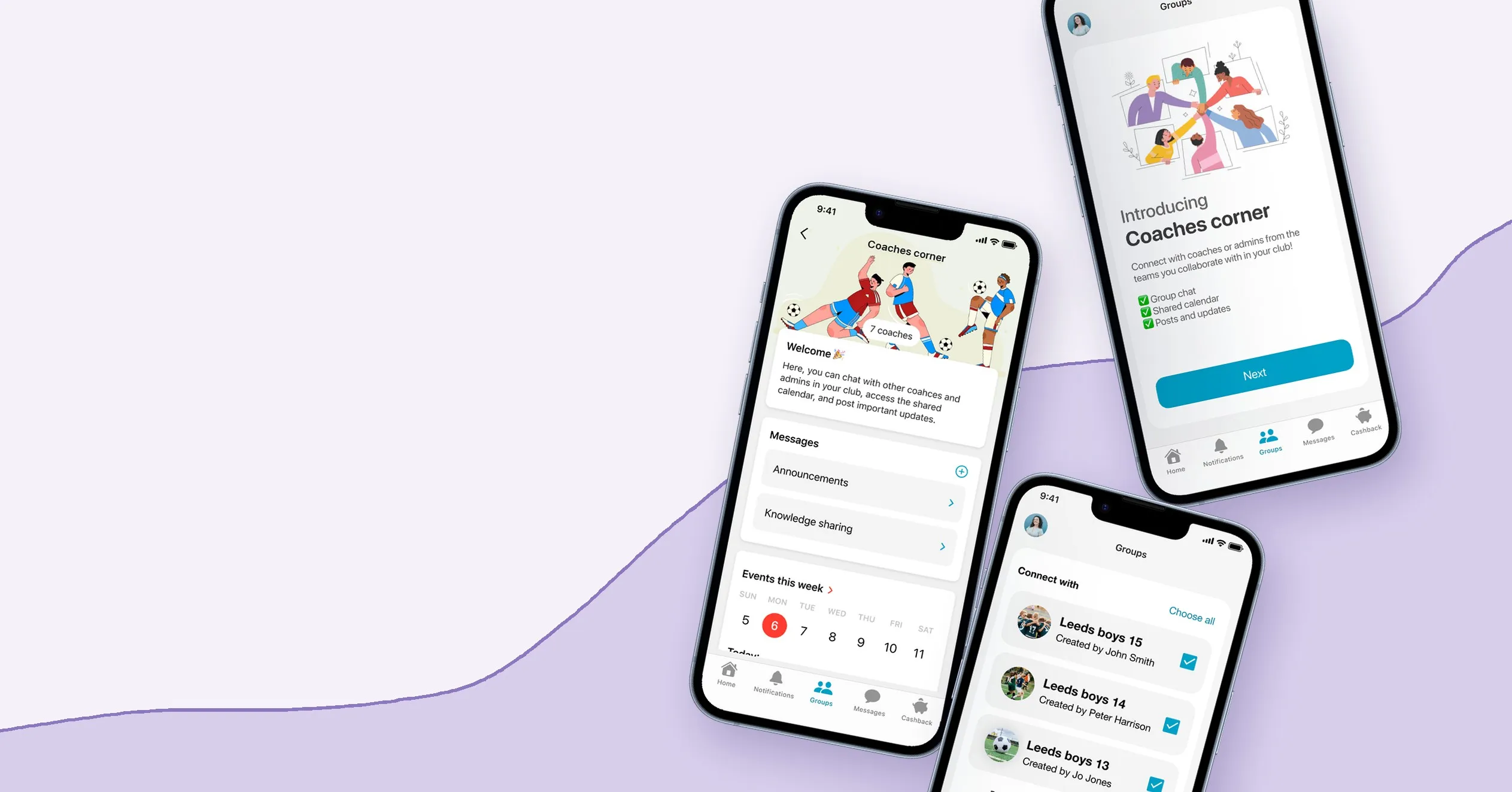
Onboarding to Coaches Corner shown on three phones

Features

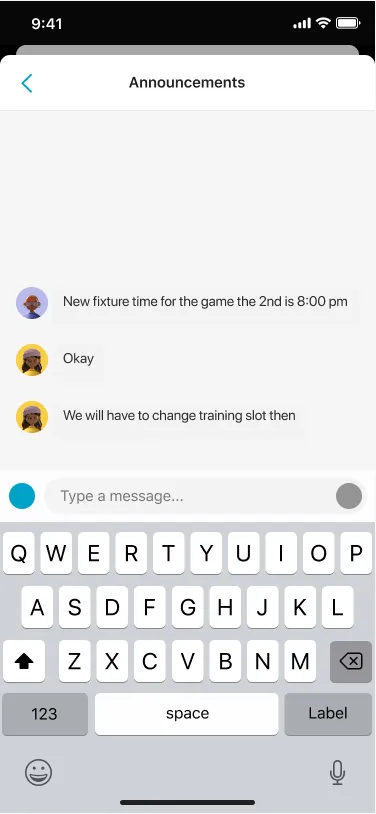
Messages and chat in Coaches Corner
  1. Messages / chat

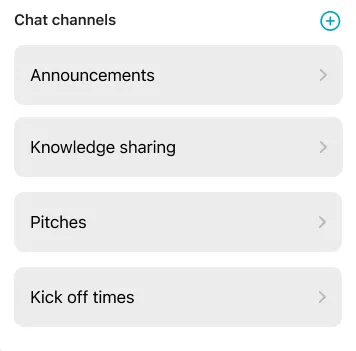
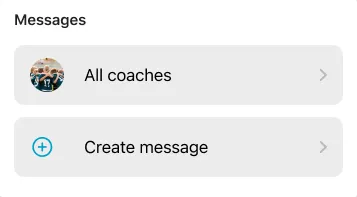
    Gives coaches and team managers a dedicated chat for collaborating within the club, so important information doesn’t get lost in WhatsApp threads.

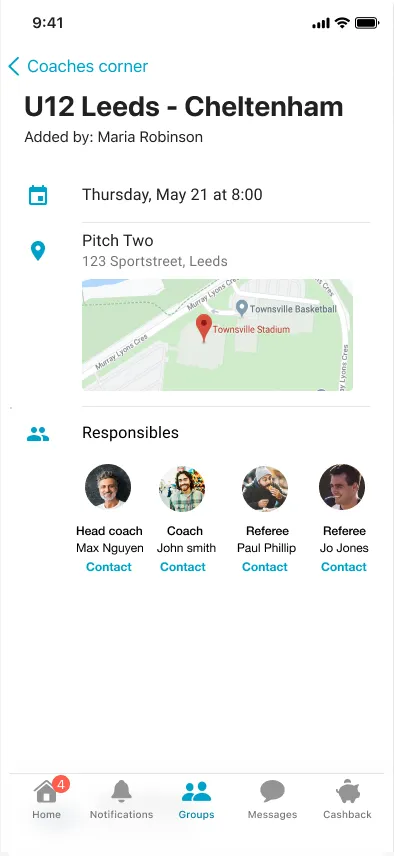
  2. Shared club calendar

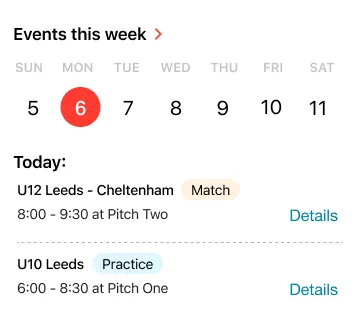
    A shared club calendar giving an overview of home matches and activities across teams.

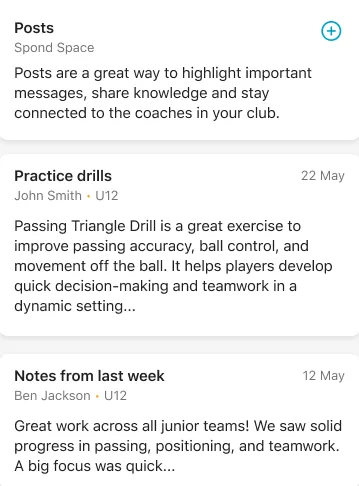
  3. Posts on the club page

    Share messages across groups – one message can go out to several teams at once, so there’s no need to repeat the work.

Thanks for taking a look!

Coaches Corner was a first step towards bringing the club’s communication and coordination together in one place. The concept clearly showed how Spond can create more value when several teams work together, and laid the foundation for further development at club level.